How Lefton China Plate Began: A 1940 Chicago Tale
George Z. Lefton’s journey began in Chicago in 1940 when he founded Lefton China, a brand that would become synonymous with fine porcelain plates. Drawing inspiration from European traditions, Lefton introduced hand-painted designs and gold accents that set his pieces apart. Over the decades, Lefton china plates have adorned homes and collections, each telling a story of vintage charm and meticulous…
Year Founded
Founder: George Z. Lefton
In Operation
ARTISTIC DETAILS THAT SET THESE APART
Why Collectors Keep Reaching for Lefton Plates
Lefton China plates occupy a particular niche in the collectible porcelain world – not because they were mass-produced luxury, but because each piece carries the unmistakable fingerprint of an artist’s hand. Here’s what seasoned collectors and first-time buyers notice most.
No Two Brushstrokes Are Identical
Lefton’s hand-painted floral designs mean every plate carries slight variations – a petal that bends differently, a leaf with more or less shading. Collectors prize these subtle differences because they confirm genuine artisan work rather than machine-pressed decoration. You’re holding a one-of-one, even within the same pattern run.
Gold Trim That Catches the Room
The gold trim accents along rims and scalloped edges aren’t painted as an afterthought. They’re applied with a steady hand to frame the central motif, creating a luminous border that draws the eye inward. Under ambient lighting, these metallic lines give Lefton plates a quiet warmth that plain porcelain simply can’t replicate.
Florals Rooted in Mid-Century Sensibility
Lefton’s botanical motifs – roses, poppies, violets, chintz clusters – reflect a specific aesthetic moment in American home décor. The color palettes lean saturated but controlled, the compositions balanced but never stiff. For collectors of mid-century pieces, these plates offer a direct visual connection to 1950s and 1960s table settings without requiring a time machine.
Scalloped Edges That Frame the Art
Many Lefton plates feature gently scalloped borders rather than standard round rims. This architectural detail does two things: it adds dimensional texture when displayed on a plate rack or easel, and it reinforces the handcrafted feel. The irregular curves suggest an era when shape mattered as much as surface decoration.
Lefton China Plate Collection
Discover timeless elegance with our curated Lefton China plates—hand-painted, gold-trimmed treasures from Japan’s golden ceramic era. Each piece blends vintage charm with collectible value, perfect for display or gifting to cherished loved ones.
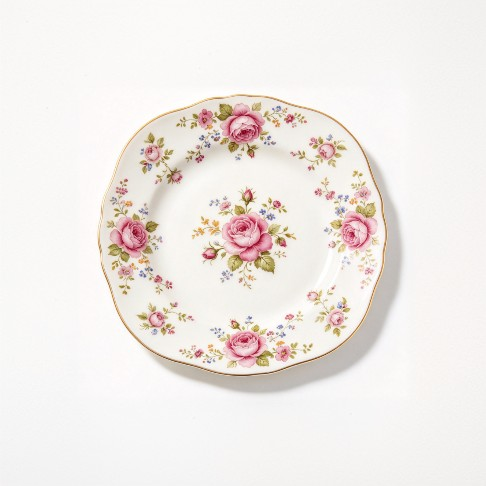
Rose Chintz Luncheon Plate
Charming hand-painted pink roses with green vines dance across scalloped gold-rimmed edges. This vintage lunch plate pairs perfectly with matching teacups for elegant afternoon tea gatherings.
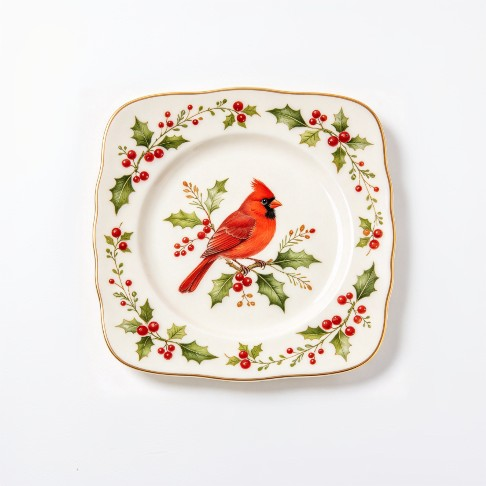
Cardinal Holiday Dinner Plate
A striking red cardinal perches on holly leaves against creamy white porcelain. This festive 10.5-inch dinner plate brings warm holiday nostalgia to any table setting beautifully.
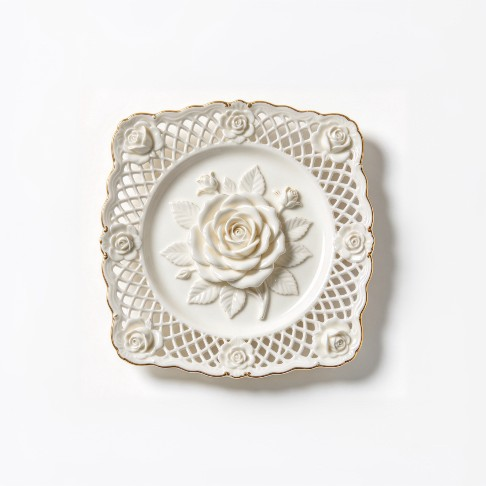
Reticulated Rose Wall Plate
Delicate pierced-edge design showcases hand-painted pink and orange roses on glossy white china. This 8-inch decorative plate features the iconic Lefton crown maker’s mark underneath.
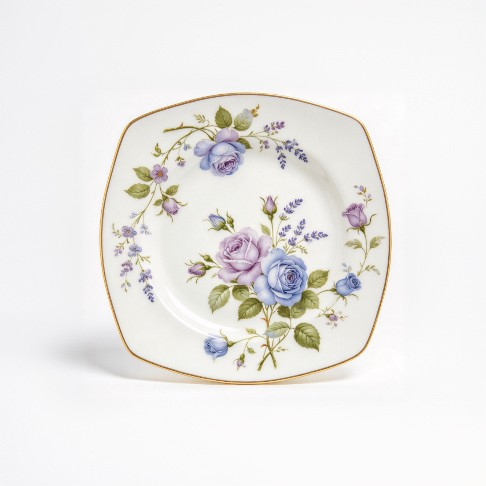
Lavender Blue Rose Collector Plate
Soft lavender-blue hues surround delicate white roses with earthy green accents. Gold-trimmed edges and hanging holes make this 8-inch piece ideal wall décor.
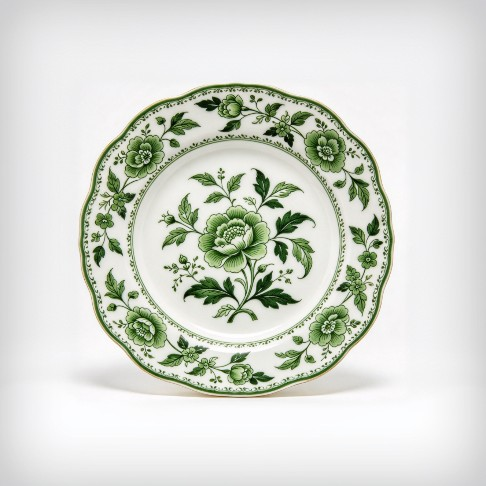
Green Heritage Floral Plate
Pale green background highlights romantic pink roses with darker leafy details. Embossed accents and gold-painted rim create sophisticated vintage charm for collectors.
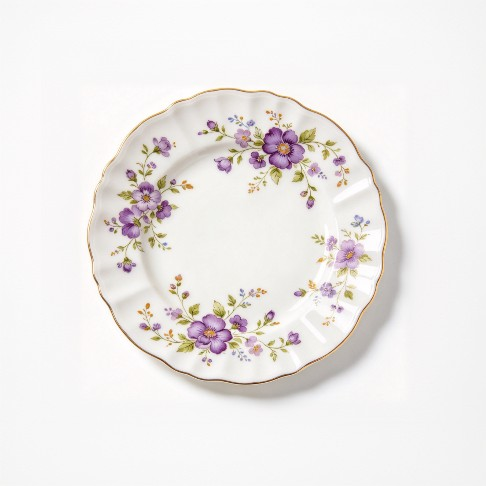
Purple Floral Scalloped Plate
Creamy white porcelain adorned with vibrant purple and blue florals, framed by scalloped edges. Intricate gold trim and embossed swirls complete this 1940s treasure.
SPOTLIGHT FEATURE
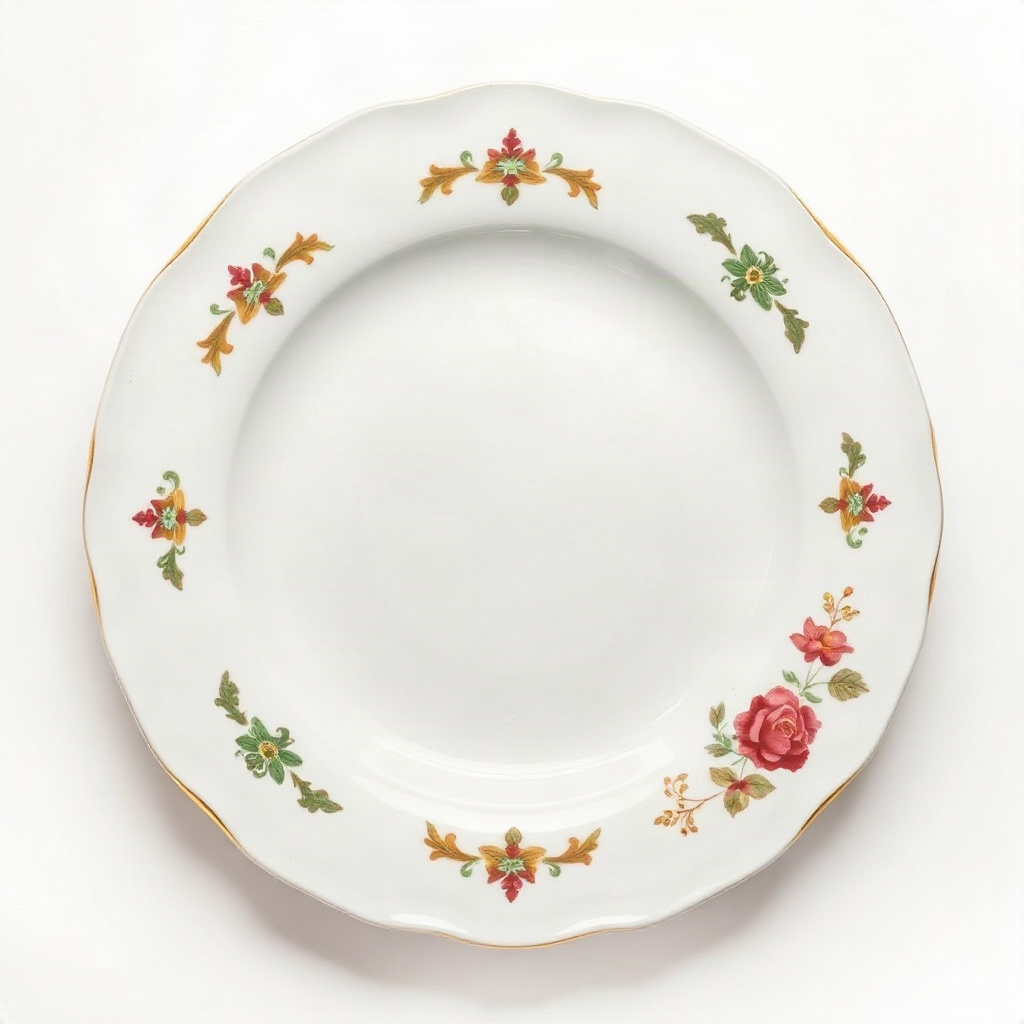
Vintage Lefton China Plate Hand Painted
★ 4.8 · 260 reviews
Soft yellow roses bloom across the center of this Lefton plate, their petals catching light alongside delicate green leaves. A fine gold trim traces the scalloped rim, giving the piece a quiet elegance that never overwhelms. Crafted from bone china, this 8-inch decorative plate works beautifully propped on a mantel, displayed in a china cabinet, or hung as a wall accent. The hand-painted brushwork shows…
- Hand-painted yellow roses with green leaf accents on a white bone china ground
- Scalloped edge finished with a slender gold trim
- Approximately 8 inches in diameter, suitable for display or light serving
- Each plate shows slight variations in brushstroke, confirming hand-painted origin
- Bone china construction with a smooth, translucent quality when held to light
PRICE POINT GUIDE
Navigate Lefton Prices: From Budget to Premium
Lefton China plates span a surprisingly wide price spectrum, from $12.99 budget finds to $57 collector pieces. Understanding what drives these differences helps you shop smarter and avoid overpaying.
Limited-production patterns or discontinued designs carry higher premiums than commonly found motifs like kitchen scenes or mass-market florals. Research before buying.
Pieces free of chips, cracks, and staining command top dollar. Minor wear to gold trim or paint may reduce value by 15 to 25 percent but offers budget-friendly entry points.
Plates featuring hand-applied gold trim, rims, or crown marks consistently sit at the upper end of the price range compared to plain porcelain without metallic detailing.
Single plates average $12 to $35, while coordinated sets of four or more pieces run $48 to $57 but deliver significantly lower per-plate cost for collectors.
eBay auctions and Best Offer listings often undercut fixed-price Etsy and specialty dealer listings by $5 to $15 on comparable Lefton pieces, rewarding patient shoppers.
Mid-century pieces from the 1950s and 1960s generally command higher prices than later 1980s or 1990s anniversary editions due to stronger collector demand and historical scarcity.
BASED ON 260 VERIFIED REVIEWS
What Buyers Love About Lefton China Plates
“Lefton China plates deliver on their promise of vintage artistry with strong buyer satisfaction. The 4.8-star average reflects genuine delight rather than generic praise – reviews cite specific details like meticulous brushwork and color contrast. A reliable pick for collectors and home decorators who value hand-painted porcelain.”
★ Highlights
- Hand-painted floral designs with meticulous brushwork that reviewers call 'stunning' and 'gorgeous'
- Gold trim and scalloped edges add an elegant, formal touch to display arrangements
- Vibrant colors that hold up well - multiple buyers note pieces look 'even prettier in person than in photos'
- Plates arrive in excellent condition when sellers use proper packaging, which most reviewers confirm
⚠ What to watch
- Pattern and design availability is unpredictable - popular motifs like yellow roses or Violet Chintz sell quickly
- Minor paint wear and slight gold trim fading may appear on pieces from the 1950s-1960s era
- Fragile porcelain requires careful shipping; a small number of buyers reported nervousness about transit, though most arrived safely
WHY COLLECTORS TRUST LEFTON
Built to Last: Lefton's Porcelain Craftsmanship
Lefton plates endure. Porcelain pieces handcrafted in Japan decades ago still sit in china cabinets today-colors intact, gold trim gleaming, scalloped edges unchipped. This section breaks down the trust signals that keep collectors coming back to Lefton across six decades of continuous use.
Years of Production Heritage
Verified Buyer Reviews
Trusted Retail Partners
Average Seller Rating
Your Top Questions About Lefton China, Answered
Whether you’re starting your first collection or adding to a long-standing display, these answers address the practical concerns collectors ask most often.
01
How do I verify that a Lefton plate is authentic and not a reproduction?
Flip the plate over and look for a back stamp that reads ‘Lefton’ in script or block lettering, often accompanied by a crown mark. Most authentic mid-century pieces will also carry ‘Japan’ or ‘Nippon’ as the country of origin. Check that the hand-painted details show slight variations between pieces-perfect uniformity can indicate mass-produced reproductions. Genuine gold trim will have a warm luster rather than…
02
What's the best way to display Lefton plates in my home?
Wall-mounted plate hangers work beautifully for showcasing 8-inch dinner plates at eye level in a hallway or dining room. Individual plate stands on a mantel or bookshelf let each piece command its own space. For larger collections, a china cabinet with adjustable shelves allows you to stagger heights and group plates by theme or color palette. Place them away from direct sunlight to preserve the hand-painted…
03
Can I put my vintage Lefton plate in the microwave or dishwasher?
No-Lefton plates with gold or metallic trim should never go in a microwave, as the metal causes arcing and can damage both the plate and the appliance. Dishwashers are equally risky: the harsh detergents and water pressure can fade hand-painted designs and strip gold accents within just a few cycles. Hand wash each plate with mild dish soap and lukewarm water using a soft cloth, then let it air dry completely on…
04
What sizes do Lefton plates typically come in?
Standard dinner plates measure roughly 8 to 8.5 inches in diameter, while decorative cabinet plates reach about 9 inches across. Handled serving trays or cake plates, like the poppy-handled variety, span approximately 9 inches from handle to handle. Tea saucers and smaller accent pieces tend to run 5 to 6 inches. Always check the listed dimensions on the product page before purchasing, since sizes vary slightly…
05
Where were Lefton plates actually made?
Production locations shifted over the decades. Most collectible mid-century pieces from the 1940s through the 1960s were manufactured in Japan, marked accordingly on the base. Later commemorative items, such as the 25th Anniversary cabinet plate, were often produced in China or Hong Kong. The country-of-origin stamp on the underside of each plate is your primary reference. Collectors generally place higher value…
06
How should I clean and store plates in my Lefton collection?
Use lukewarm water and a soft, lint-free cloth with a small amount of mild soap-never abrasive sponges or powdered cleansers, which scratch both the hand-painted surface and the gold trim. Pat dry gently rather than rubbing. When storing plates in a stack, place a felt disc, soft cotton cloth, or paper towel between each piece to prevent rim-to-surface contact. Keep them in a climate-controlled room away from…
07
What condition issues should I watch for when buying Lefton plates secondhand?
Inspect photos carefully for chips along scalloped edges, hairline cracks radiating from the center, and worn gold trim that appears dull or patchy. Surface staining, glaze crazing (a web of fine lines), and faded paint can all indicate improper storage or cleaning over the decades. Listings that note ‘very slight wear to the paint and gold trim’ are honest about expected vintage patina, which many collectors…